Skip to content
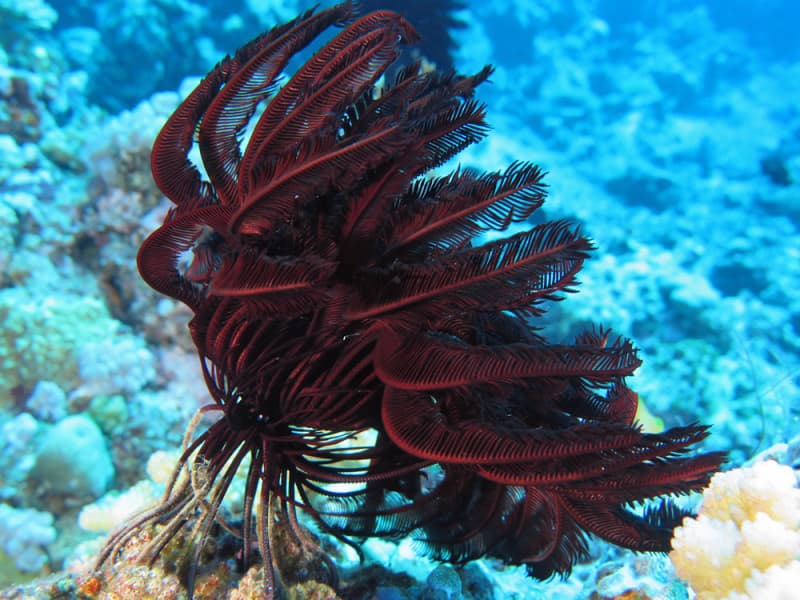
Cod Hole Australia — Photo: © Anne Hoggett | License: CC BY 3.0 | Source: https://upload.wikimedia.org/wikipedia/commons/8/86/Pontiometra_andersoni_-_Cod_Hole.jpeg
IntermediateBoat entry

Cod Hole

Queensland, Australia
Open Water suggestedBoat entry3mm wetsuit typical

Boat dive — see Entry & access.

Cod Hole at a glance

Cod Hole is an intermediate boat dive site in Queensland, Australia. Typically most favorable Nov · from 3 years of archive data. Recent reports put the water around 26°C (80°F). Check the latest conditions and entry details before you go.

Favorable window now· until 19:00 · sunset 18:18

Forecast for this hour · 18:00 · run 15 h ago
0.9 m (2.8 ft)waves — under a meter expected (waves — about three feet expected)

Tap a factor for its source and model point · Forecast 26°C · seasonal avg 26°C ( · Forecast 80°F · seasonal avg 79°F)

Site hazards: Remote Ribbon Reef logistics, current, depth variation, boat procedures, reef contact, wildlife interaction rules, and limited immediate exit options.

Read the full hazards ↓

Dive windows this week

Mon6:00–19:00 favorable

0.8 m waves · 11 kn wind (2.7 ft waves · 11 kn wind)

Tue6:00–19:00 favorable

0.9 m waves · 10 kn wind (3.0 ft waves · 10 kn wind)

Wed6:00–19:00 favorable

0.9 m waves · 12 kn wind (3.0 ft waves · 12 kn wind)

Thu6:00–19:00 favorable

0.9 m waves · 14 kn wind (2.9 ft waves · 14 kn wind)

Fri6:00–19:00 favorable

0.8 m waves · 15 kn wind (2.7 ft waves · 15 kn wind)

Sat6:00–19:00 favorable

0.9 m waves · 10 kn wind (2.8 ft waves · 10 kn wind)

Sun6:00–19:00 favorable

0.9 m waves · 13 kn wind (3.0 ft waves · 13 kn wind)

Favorable windowModerate window— no window

Every forecast dive window each day, site-local time, from wave and wind forecasts. Numbers under each bar are daylight averages.

First light 5:22 · Sunrise 5:44 · Sunset 18:18 · some windows run past sunset

Source: Open-Meteo marine · model point 6.9 km from site · updated 26 Oct, 03:21 GMT+10

Forecast only — always assess conditions on site.

Compare this weekend’s windows near Cod Hole

Recent diver reports

Dated firsthand observations from divers — not current conditions.

No diver reports for this site yet. — one dated observation helps every diver after you.

Dived here today — did the forecast match?

What Divers Say

Best time: Best planned through northern Great Barrier Reef operators or liveaboards when sea state, wind, visibility, itinerary, and reef access are suitable.

Based on community reviews and site data. Conditions vary — always verify before diving.

Best months, historically

What conditions have historically been typical at this site, month by month — not a forecast.

  1. January, 84% of days have historically been favorable, water has typically been 30°C (85°F), waves have typically been 0.7 m (2.2 ft), wind has typically been 15 knots
  2. February, 78% of days have historically been favorable, water has typically been 30°C (85°F), waves have typically been 0.8 m (2.5 ft), wind has typically been 16 knots
  3. March, 80% of days have historically been favorable, water has typically been 29°C (85°F), waves have typically been 0.8 m (2.5 ft), wind has typically been 15 knots
  4. April, 51% of days have historically been favorable, water has typically been 29°C (83°F), waves have typically been 1.0 m (3.2 ft), wind has typically been 20 knots
  5. May, 12% of days have historically been favorable, water has typically been 27°C (80°F), waves have typically been 1.3 m (4.4 ft), wind has typically been 25 knots
  6. June, 41% of days have historically been favorable, water has typically been 26°C (78°F), waves have typically been 1.1 m (3.7 ft), wind has typically been 22 knots
  7. July, 39% of days have historically been favorable, water has typically been 25°C (77°F), waves have typically been 1.1 m (3.7 ft), wind has typically been 22 knots
  8. August, 31% of days have historically been favorable, water has typically been 25°C (77°F), waves have typically been 1.2 m (3.8 ft), wind has typically been 22 knots
  9. September, 34% of days have historically been favorable, water has typically been 25°C (78°F), waves have typically been 1.2 m (3.9 ft), wind has typically been 23 knots
  10. October, 53% of days have historically been favorable, water has typically been 26°C (79°F), waves have typically been 1.0 m (3.3 ft), wind has typically been 20 knots
  11. November, 90% of days have historically been favorable, water has typically been 28°C (82°F), waves have typically been 0.8 m (2.7 ft), wind has typically been 17 knots, historically most favorable
  12. December, 82% of days have historically been favorable, water has typically been 29°C (85°F), waves have typically been 0.7 m (2.4 ft), wind has typically been 15 knots

November has typically had the largest share of favorable days here. Conditions vary year to year — this is historical context, not a forecast.

Based on 3 years of archive data. Bar height shows the share of days each month whose conditions have historically scored favorably.

Marine life recorded at this site, by month

Recorded observations — evidence of past sightings, not a promise of what you’ll encounter.

  • Potato Grouper recorded here Jun, Nov–Dec (4 records)

    Epinephelus tukulamost recent 1996

  • Humphead Wrasse recorded here Nov–Jan (3 records)

    Cheilinus undulatusmost recent 2013

  • Arctic bonito recorded here Nov (1 record)

    Katsuwonus pelamismost recent 1995

  • Blacktip Shark recorded here Nov (1 record)

    Carcharhinus limbatusmost recent 1995

  • Christmas Tree Worm recorded here Jan (1 record)

    Spirobranchus giganteusmost recent 2013

  • Clown anemonefish recorded here Jan (1 record)

    Amphiprion perculamost recent 2013

  • Clown Triggerfish recorded here Jan (1 record)

    Balistoides conspicillummost recent 2013

  • Common Parrotfish recorded here Jan (1 record)

    Scarus psittacusmost recent 2013

Newest record here: 2013. Counts are occurrence records near this site from public biodiversity datasets (GBIF), grouped by calendar month across all sampled years. Sightings vary — past records are context, not a prediction.

Fills & rentals nearby

No dive shops mapped within 25 km (16 mi). Know one? Add it to the map.

Featured Great Barrier Reef guide

Cod Hole is a practical Great Barrier Reef guide for divers planning iconic Queensland reef dives and potato cod encounters. This page turns the listing into a useful research brief covering remote boat logistics, reef-route expectations, marine life, conservation context, and conservative planning.

PickADive guides and forecast windows are planning context, not a safety clearance. Confirm current conditions, rules, training limits, and operator guidance before diving — the decision is yours.

Planning focus
Northern Great Barrier Reef
Access
Remote boat / liveaboard
Best for
Potato cod and reef life
Planning note
Itinerary-dependent
Confirm the route and alternatives before booking.
Difficulty
Intermediate
Suggested context: Open Water May Fit Some Guided Routes, But Remote Liveaboard Or Boat Logistics, Current, Depth, And Operator Requirements Should Be Confirmed Before Booking.
Depth
Depth varies
Confirm your plan against current conditions and training.

Why dive Cod Hole

Cod Hole is specific enough to be practical while still fitting a broader Great Barrier Reef trip. The guide answers what broad travel pages often skip: what kind of dive it is, why it is famous, how remote logistics shape the trip, and what to verify with the liveaboard or operator.

How to dive it

Plan Cod Hole as a remote boat or liveaboard dive on the northern Great Barrier Reef. Confirm the itinerary, expected depth, current, reef health, guide procedures, marine-life interaction rules, and whether the route fits your certification and recent experience.

Marine life and site character

Cod Hole is researched for large potato cod and northern reef life, but the better planning frame is the whole reef system: coral condition, visibility, current, fish activity, and operator stewardship. Treat any signature animal encounter as a possibility, not a promise.

Best season and conditions

Use operator seasonality, current reef reports, and weather windows together. Remote reef trips depend on vessel schedule, sea state, wind, visibility, current, and conservation rules. If the operator changes the site for conditions, that is part of a safe planning culture.

Hazards and diver readiness

Remote location, current, depth, boat procedures, wildlife interaction, reef contact, and limited immediate exit options all matter. Divers should be comfortable with boat diving and should follow conservation rules around protected reef life.

Local tips

Before booking, ask whether Cod Hole is guaranteed or conditions-dependent on the itinerary, how guides brief potato cod encounters, and what alternative Ribbon Reef sites are used if the main plan changes.

Common questions about Cod Hole

Why is Cod Hole famous?

Cod Hole is famous because divers associate it with large potato cod and northern Great Barrier Reef liveaboard itineraries. The actual dive still depends on conditions, reef health, and the operator route.

Can new divers dive Cod Hole?

Some routes may be manageable for less experienced divers in good conditions, but remote boat logistics, current, depth, and operator requirements matter. Confirm certification and recent experience expectations before booking.

Is Cod Hole usually a day trip?

Many divers encounter Cod Hole as part of a northern Great Barrier Reef liveaboard or extended boat itinerary. Check the exact departure point and schedule with the operator.

Does PickADive guarantee wildlife encounters?

No. PickADive helps with research and planning context. Wildlife, visibility, current, and site access can change, so verify expectations with current local guidance.

Data updated July 2026

Site details

recreational dive site in Australia, Australia

Remote Ribbon Reef logistics, current, depth variation, boat procedures, reef contact, wildlife interaction rules, and limited immediate exit options.


Reviews

No reviews yet — this site is waiting for its first. Dived here? Your rating and a few lines help the next diver.


Spot something off?

Help keep this listing accurate for the next diver.