Skip to content
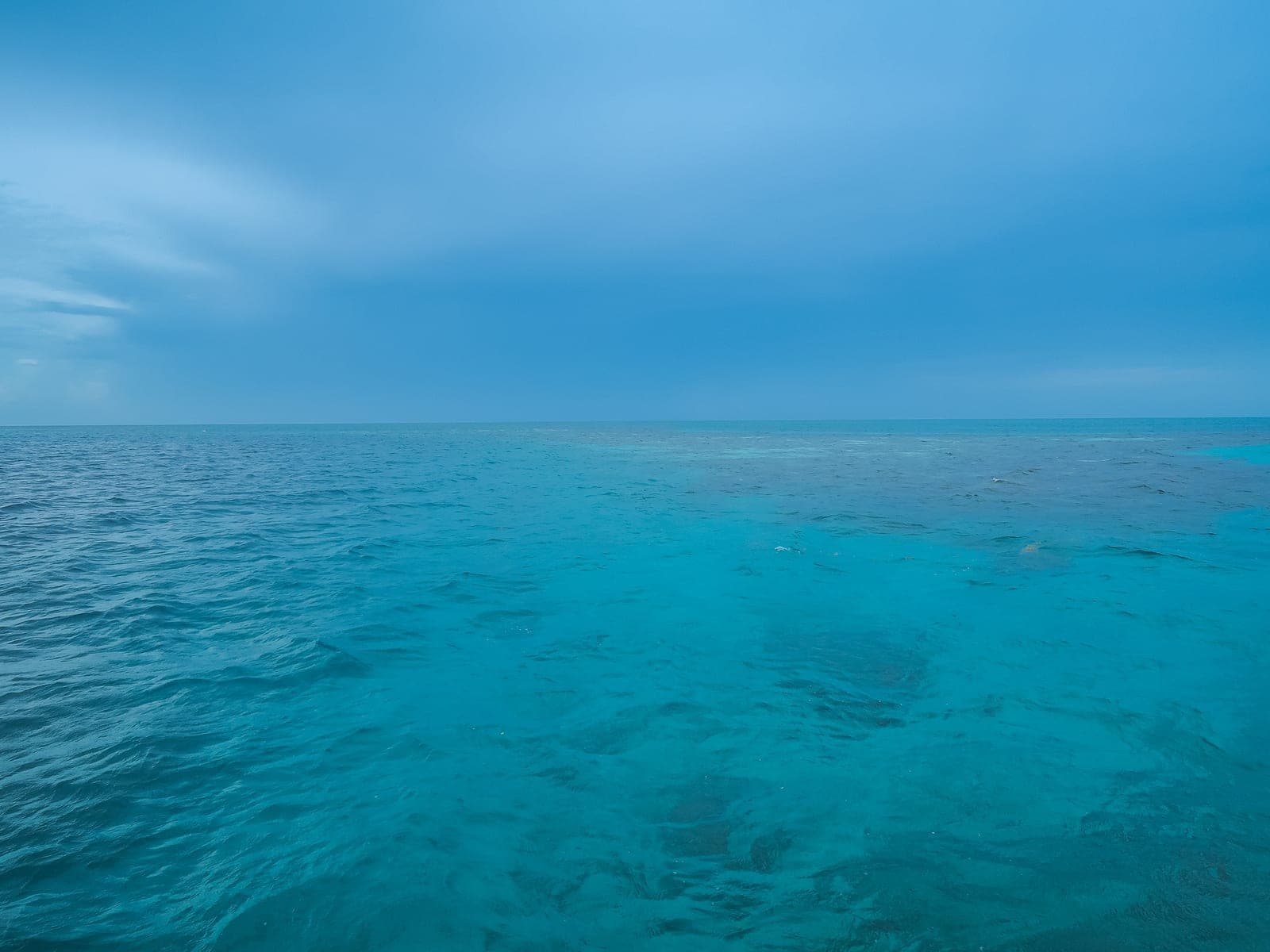
Great Blue Hole Belize — Photo: dronepicr | License: CC BY 2.0 | Source: https://upload.wikimedia.org/wikipedia/commons/c/cd/Blue_hole_Belize_%2821204937128%29.jpg
AdvancedBoat entry

Great Blue Hole

Lighthouse Reef, Belize
AOW suggested12–40 m depthBoat entryRash guard or 2mm shorty typical

Boat dive — see Entry & access.

Great Blue Hole at a glance

Great Blue Hole is a advanced boat dive site in Lighthouse Reef, Belize with depths of 12–40 m (39–131 ft). Typically most favorable Aug · from 3 years of archive data. Divers commonly see Caribbean reef shark, Blacktip shark, and Nurse shark. Recent reports put the water around 29°C (84°F). Check the latest conditions and entry details before you go.

Marine model · graded 10h ago
1.0 mwaves — about a meter expected

Tap a factor for its source and model point · Forecast 29°C · seasonal avg 29°C

Site hazards: Depth and narcosis, short no-decompression time, offshore boat logistics, blue-water ascent discipline, dark or deep water, gas planning, and remote-site weather exposure.

Read the full hazards ↓

Dive windows this week

Best: Mon
Mon6:00–19:00
Tue6:00–19:00
Wed6:00–19:00
Thu6:00–19:00
Fri6:00–19:00
Sat6:00–19:00
Sun

Favorable windowModerate window— no window

First light 5:04 · Sunrise 5:28 · Sunset 18:25

Source: Open-Meteo marine · model point 2.7 km from site · graded 10h ago

Forecast only — always assess conditions on site.

Recent diver reports

Dated firsthand observations from divers — not current conditions.

No diver reports for this site yet. — one dated observation helps every diver after you.

What Divers Say

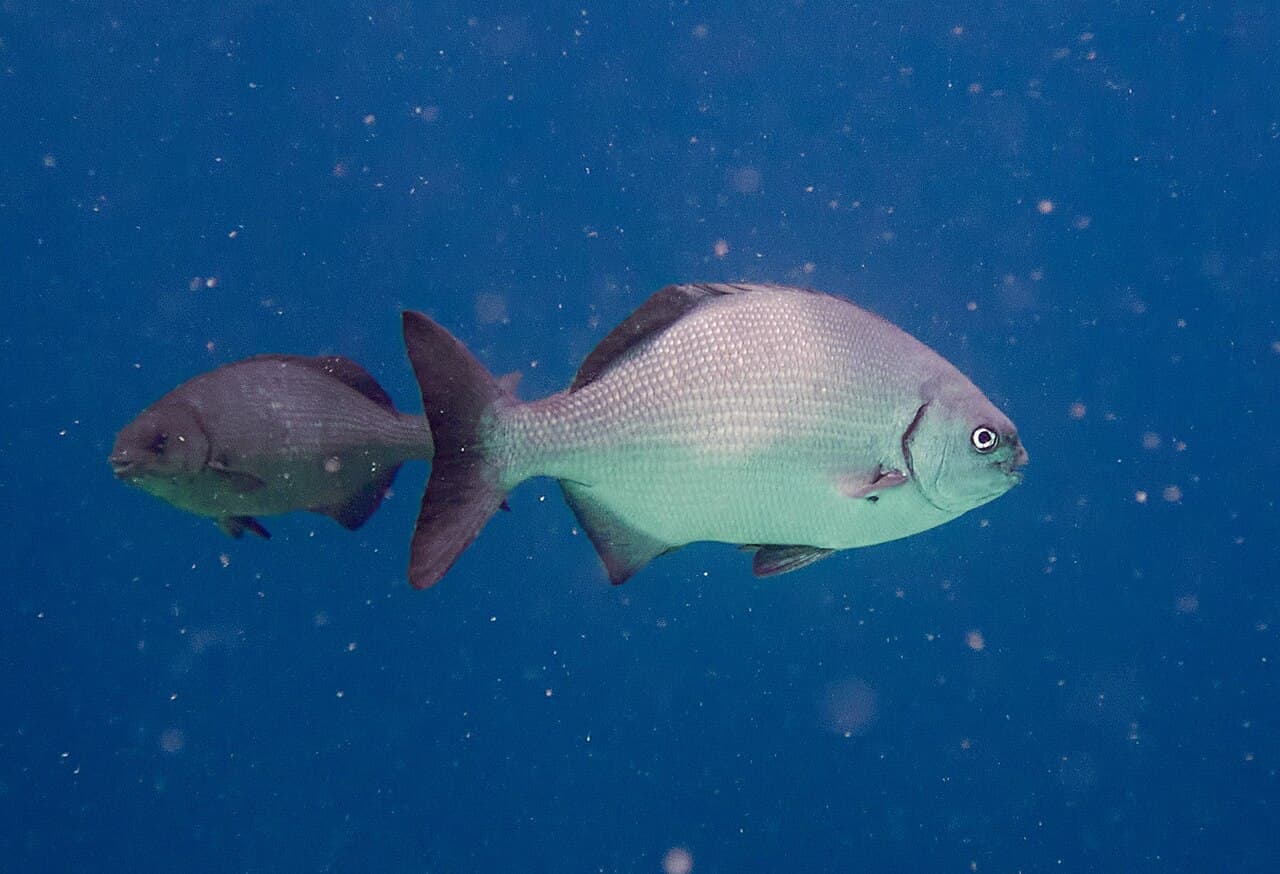
Known for: Caribbean reef shark, Nurse shark, Bermuda chub
Best time: Plan through a Belize operator or liveaboard on a calm offshore weather window; confirm maximum depth, dive order, sea state, visibility, and backup sites locally.

Based on community reviews and site data. Conditions vary — always verify before diving.

Best months, historically

What conditions have historically been typical at this site, month by month — not a forecast.

  1. Jan59%27°C1.4 m
  2. Feb55%27°C1.4 m
  3. Mar53%28°C1.4 m
  4. Apr58%28°C1.4 m
  5. May53%29°C1.3 m
  6. Jun50%30°C1.3 m
  7. Jul60%29°C1.2 m
  8. Aug94%30°C0.8 m
  9. Sep93%30°C0.8 m
  10. Oct77%30°C1.0 m
  11. Nov72%29°C1.3 m
  12. Dec58%28°C1.4 m

August hastypically had the largest share of favorable days here. Conditions vary year to year — this is historical context, not a forecast.

Based on 3 years of archive data. Bar height shows the share of days each month whose conditions have historically scored favorably.

Marine life recorded at this site, by month

Recorded observations — evidence of past sightings, not a promise of what you’ll encounter.

Species seen here

  • Caribbean reef sharkCommonly seen
  • Blacktip sharkOccasionally seen
  • Nurse sharkCommonly seen
  • Bull sharkRarely seen
  • Midnight parrotfishOccasionally seen
  • Bermuda chubCommonly seen
  • Horse-eye jackOccasionally seen
  • Hawksbill turtleRarely seen
  • Carcharhinus perezii recorded here Apr, Aug–Sep, Nov (4 records)

    most recent 2015

  • Scarus vetula recorded here May–Jun (3 records)

    most recent 2017

  • Acanthemblemaria spinosa recorded here Jun (2 records)

    most recent 2017

  • Acanthurus chirurgus recorded here Jun (2 records)

    most recent 2017

  • Aplysina fistularis recorded here Jun (2 records)

    most recent 2017

  • Cephalopholis cruentata recorded here Jun (2 records)

    most recent 2017

  • Coenobita clypeatus recorded here Jun (2 records)

    most recent 2017

  • Colpophyllia natans recorded here Jun (2 records)

    most recent 2017

Counts are occurrence records near this site from public biodiversity datasets (GBIF), grouped by calendar month across all sampled years. Sightings vary — past records are context, not a prediction.

Fills & rentals nearby

No dive shops mapped within 25 km. Know one? Add it to the map.

Site details

The Great Blue Hole is a near-perfectly circular marine sinkhole 318m across and 124m deep at the centre of Lighthouse Reef, famed worldwide since Jacques Cousteau surveyed it in 1971. Divers descend a sheer wall to a ledge at around 40m where huge ancient stalactites hang from an undercut overhang. It is a short, deep, atmospheric bounce dive rather than a marine-life dive, requiring conservative deep-diving discipline; most operators dive it first then visit shallower wall sites afterward.

boatcavereefwall

Depth and narcosis, short no-decompression time, offshore boat logistics, blue-water ascent discipline, dark or deep water, gas planning, and remote-site weather exposure.


Reviews

No reviews yet — this site is waiting for its first. Dived here? Your rating and a few lines help the next diver.


Spot something off?

Help keep this listing accurate for the next diver.