Skip to content
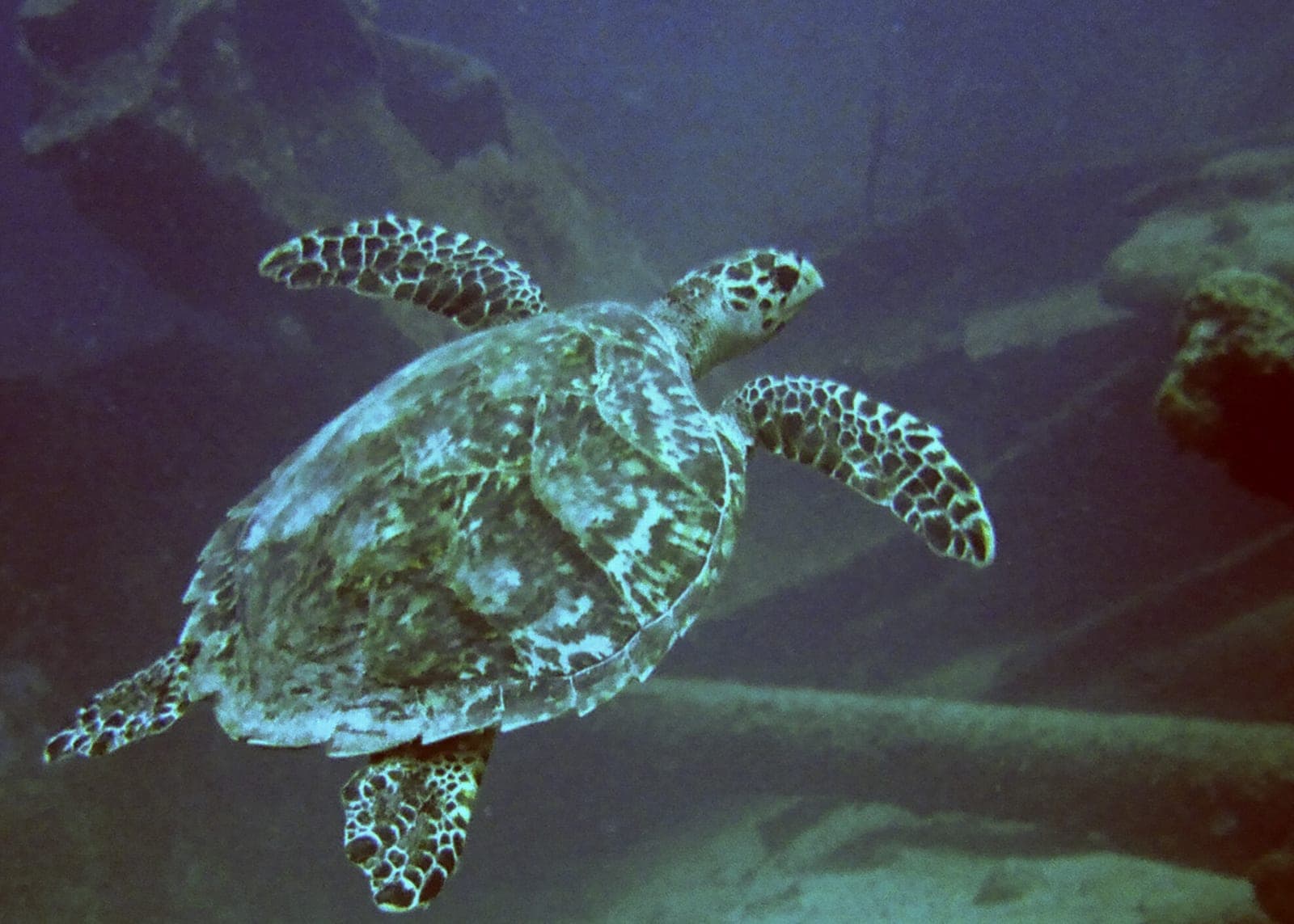
MS Antilla Aruba — Photo: Serge Melki from Indianapolis, USA | License: CC BY 2.0 | Source: https://upload.wikimedia.org/wikipedia/commons/0/0e/Turtle_at_Antilla_Wreck_Aruba_%282916429432%29.jpg
IntermediateBoat entry

MS Antilla

Malmok Bay, Aruba
Open Water suggested18 m (59 ft) depthBoat entryRash guard or 2mm shorty typical

Boat dive — see Entry & access.

MS Antilla at a glance

MS Antilla is an intermediate boat dive site in Malmok Bay, Aruba with depths of up to 18 m (59 ft). Typically most favorable Oct · from 3 years of archive data. Recent reports put the water around 29°C (83°F). Check the latest conditions and entry details before you go.

Next window today· 7:00–19:00 · favorable · sunset 18:16

Forecast for this hour · 4:00 · run 15 h ago
0.9 m (3.0 ft)waves — under a meter expected (waves — about three feet expected)

Tap a factor for its source and model point · Forecast 29°C · seasonal avg 30°C ( · Forecast 83°F · seasonal avg 86°F)

Site hazards: Storm-broken wreck structure, sharp metal, overhead temptation, surge, boat and snorkel traffic, visibility changes, and group separation around a popular site.

Read the full hazards ↓

Dive windows this week

Lightest wind: Tue
Mon7:00–19:00 favorable

0.8 m waves · 7 kn wind (2.6 ft waves · 7 kn wind)

Tue7:00–19:00 favorable

0.7 m waves · 3 kn wind (2.3 ft waves · 3 kn wind)

Wed7:00–19:00 favorable

0.6 m waves · 8 kn wind (1.9 ft waves · 8 kn wind)

Thu7:00–13:00 favorable, 13:00–19:00 moderate

0.9 m waves · 13 kn wind (3.0 ft waves · 13 kn wind)

Fri7:00–10:00 favorable, 10:00–14:00 moderate, 14:00–16:00 favorable, 16:00–19:00 moderate

1.1 m waves · 13 kn wind (3.5 ft waves · 13 kn wind)

Sat7:00–17:00 favorable, 17:00–19:00 moderate

1.0 m waves · 11 kn wind (3.3 ft waves · 11 kn wind)

SunNot in the forecast yet

Favorable windowModerate window— no window

Every forecast dive window each day, site-local time, from wave and wind forecasts. Numbers under each bar are daylight averages.

First light 6:10 · Sunrise 6:32 · Sunset 18:16 · some windows run past sunset

Source: Open-Meteo marine · model point 7.7 km from site · updated 25 Oct, 13:24 GMT-4

Forecast only — always assess conditions on site.

Compare this weekend’s windows near MS Antilla

Recent diver reports

Dated firsthand observations from divers — not current conditions.

No diver reports for this site yet. — one dated observation helps every diver after you.

Dived here today — did the forecast match?

What Divers Say

Best time: Plan with an Aruba operator on a calm sea-state window; confirm whether the trip is scuba, snorkel, or mixed-use and whether any overhead entry is allowed.

Based on community reviews and site data. Conditions vary — always verify before diving.

Best months, historically

What conditions have historically been typical at this site, month by month — not a forecast.

  1. January, 58% of days have historically been favorable, water has typically been 27°C (80°F), waves have typically been 1.3 m (4.2 ft), wind has typically been 17 knots
  2. February, 60% of days have historically been favorable, water has typically been 26°C (79°F), waves have typically been 1.3 m (4.3 ft), wind has typically been 17 knots
  3. March, 59% of days have historically been favorable, water has typically been 26°C (79°F), waves have typically been 1.2 m (3.9 ft), wind has typically been 17 knots
  4. April, 71% of days have historically been favorable, water has typically been 27°C (80°F), waves have typically been 1.2 m (3.8 ft), wind has typically been 17 knots
  5. May, 62% of days have historically been favorable, water has typically been 28°C (82°F), waves have typically been 1.2 m (3.9 ft), wind has typically been 18 knots
  6. June, 38% of days have historically been favorable, water has typically been 27°C (81°F), waves have typically been 1.3 m (4.4 ft), wind has typically been 19 knots
  7. July, 31% of days have historically been favorable, water has typically been 27°C (81°F), waves have typically been 1.4 m (4.5 ft), wind has typically been 19 knots
  8. August, 74% of days have historically been favorable, water has typically been 28°C (83°F), waves have typically been 1.1 m (3.7 ft), wind has typically been 17 knots
  9. September, 84% of days have historically been favorable, water has typically been 29°C (85°F), waves have typically been 1.1 m (3.4 ft), wind has typically been 16 knots
  10. October, 87% of days have historically been favorable, water has typically been 30°C (86°F), waves have typically been 0.9 m (3.1 ft), wind has typically been 13 knots, historically most favorable
  11. November, 79% of days have historically been favorable, water has typically been 29°C (84°F), waves have typically been 1.1 m (3.6 ft), wind has typically been 14 knots
  12. December, 80% of days have historically been favorable, water has typically been 28°C (82°F), waves have typically been 1.2 m (3.9 ft), wind has typically been 16 knots

October has typically had the largest share of favorable days here. Conditions vary year to year — this is historical context, not a forecast.

Based on 3 years of archive data. Bar height shows the share of days each month whose conditions have historically scored favorably.

Marine life recorded at this site, by month

Recorded observations — evidence of past sightings, not a promise of what you’ll encounter.

  • Great Barracuda recorded here Feb, Sep, Nov (3 records)

    Sphyraena barracudamost recent 2015

  • Cherubfish recorded here Mar, Nov (2 records)

    Centropyge argimost recent 2015

  • Aulostomidae recorded here Dec (1 record)

    most recent 2010

  • Bearded Fireworm recorded here Mar (1 record)

    Hermodice carunculatamost recent 2013

  • Bicolor Damselfish recorded here Nov (1 record)

    Stegastes partitusmost recent 2015

  • Bigeye Scad recorded here Mar (1 record)

    Selar crumenophthalmusmost recent 2013

  • Caribbean Sharpnose-puffer recorded here Mar (1 record)

    Canthigaster rostratamost recent 2013

  • Centropristis striata recorded here Nov (1 record)

    most recent 2015

Newest record here: 2015. Counts are occurrence records near this site from public biodiversity datasets (GBIF), grouped by calendar month across all sampled years. Sightings vary — past records are context, not a prediction.

Fills & rentals nearby

Facts from OpenStreetMap, corrected by the community — listed by distance only. Details change; confirm with the shop.

Shop facts come from OpenStreetMap and community corrections, shown nearest first. PickADive lists facts and contacts only — no listing is sponsored or ranked.

Featured Aruba wreck guide

MS Antilla is one of Aruba's signature wreck searches. This guide gives divers the context that matters before booking: large shallow wreck structure, storm-broken sections, marine growth, boat logistics, and why penetration should be approached conservatively.

PickADive guides and forecast windows are planning context, not a safety clearance. Confirm current conditions, rules, training limits, and operator guidance before diving — the decision is yours.

Difficulty
Beginner to intermediate
Exterior routes can be easier; overhead areas are different.
Access
Boat tour
Best for
Large shallow wreck
Planning note
Watch traffic and surge
Depth
Up to 18m
Confirm your plan against current conditions and training.
Best time
See timing notes
Plan with an Aruba operator on a calm sea-state window; confirm whether the trip is scuba, snorkel, or mixed-use and whether any overhead entry is allowed.

Why dive MS Antilla

Antilla deserves a deeper guide because it is a recognizable Caribbean wreck with very different experiences depending on conditions and route. The page helps divers understand why it is popular, what parts of the dive are conditions-dependent, and where safety judgment matters.

How to dive it

Plan it with a local Aruba operator and confirm whether the trip is scuba, snorkel, or combined traffic. Ask about entry, current, visibility, route around broken sections, and whether any swim-throughs are appropriate for your training.

Marine life and site character

The wreck is known as habitat for coral growth, sponges, reef fish, and occasional larger visitors. Marine life changes with conditions and season, so treat it as part of the wreck experience rather than a guarantee.

Best season and conditions

Aruba is researched year-round, but wind, surge, visibility, and boat traffic can change the experience. For newer divers, prioritize a calm day and a conservative route over a packed itinerary.

Hazards and diver readiness

Broken metal, surge, sharp edges, limited overhead spaces, snorkel and boat traffic, and overconfidence around a shallow wreck are the main concerns. Do not penetrate without proper training.

Local tips

Ask whether the operator combines Antilla with a second site and how they manage mixed snorkel/scuba traffic around the wreck.

Common questions about MS Antilla

Is MS Antilla shallow enough for beginners?

Parts of the wreck are shallow, but broken structure, surge, and traffic still require good buoyancy and guide attention. New divers should stay on a simple exterior route.

Can snorkelers see MS Antilla?

Some tours include snorkeling over shallow parts of the wreck. Scuba divers should still confirm boat traffic and group separation procedures.

Is wreck penetration safe here?

Treat penetration conservatively. Storm damage and broken metal make proper wreck training, equipment, and local guidance essential.

Why follow this page?

Following the page helps you return to Aruba wreck notes, conditions context, and updated reviews before a trip.

Data updated June 2026

Site details

ship

wreck

Storm-broken wreck structure, sharp metal, overhead temptation, surge, boat and snorkel traffic, visibility changes, and group separation around a popular site.


Reviews

No reviews yet — this site is waiting for its first. Dived here? Your rating and a few lines help the next diver.


Spot something off?

Help keep this listing accurate for the next diver.