The SS Lusitania page refers to the Portuguese steamship wrecked near Cape Point, South Africa, not the RMS Lusitania off Ireland. This guide adds the missing context divers need: wreck identity, Cape Point exposure, depth expectations, and why the site is more serious than the imported listing suggests.
PickADive guides and forecast windows are planning context, not a safety clearance. Confirm current conditions, rules, training limits, and operator guidance before diving — the decision is yours.
- Difficulty
- Advanced research
- The guide context overrides the shallow imported label.
- Access
- Boat objective
- Confirm with local operators before planning.
- Depth
- Deep recreational range
- Research commonly reports roughly 33-40 m.
- Best for
- Cape wreck history
- Best time
- Check conditions close to the dive
- Forecasts and local observations can change quickly.
- Marine life
- Not recorded yet
Why dive SS Lusitania
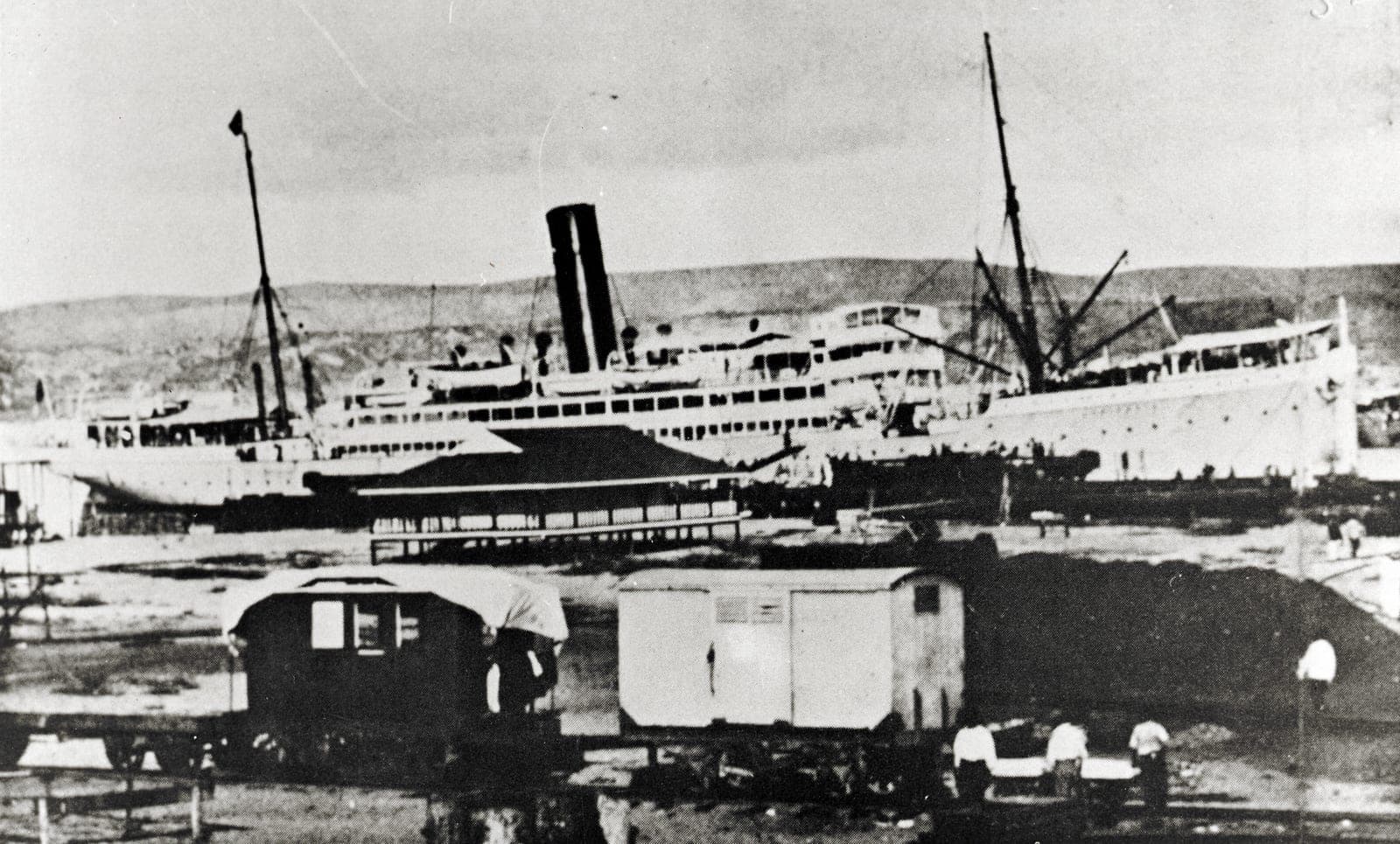
SS Lusitania needs clear context because the name can be confused with the much deeper RMS Lusitania in Ireland. The PickADive page identifies this as the 1911 Cape Point wreck and frames the dive as an exposed South African boat objective.
How to dive it
Research it as an exposed Cape Point wreck dive. The wreck lies offshore near Bellows Rock and is usually a boat-diving objective for experienced teams, not a casual shore dive. Confirm operator briefings, sea state, current, depth, gas planning, and whether the planned route fits your certification.
Marine life and site character
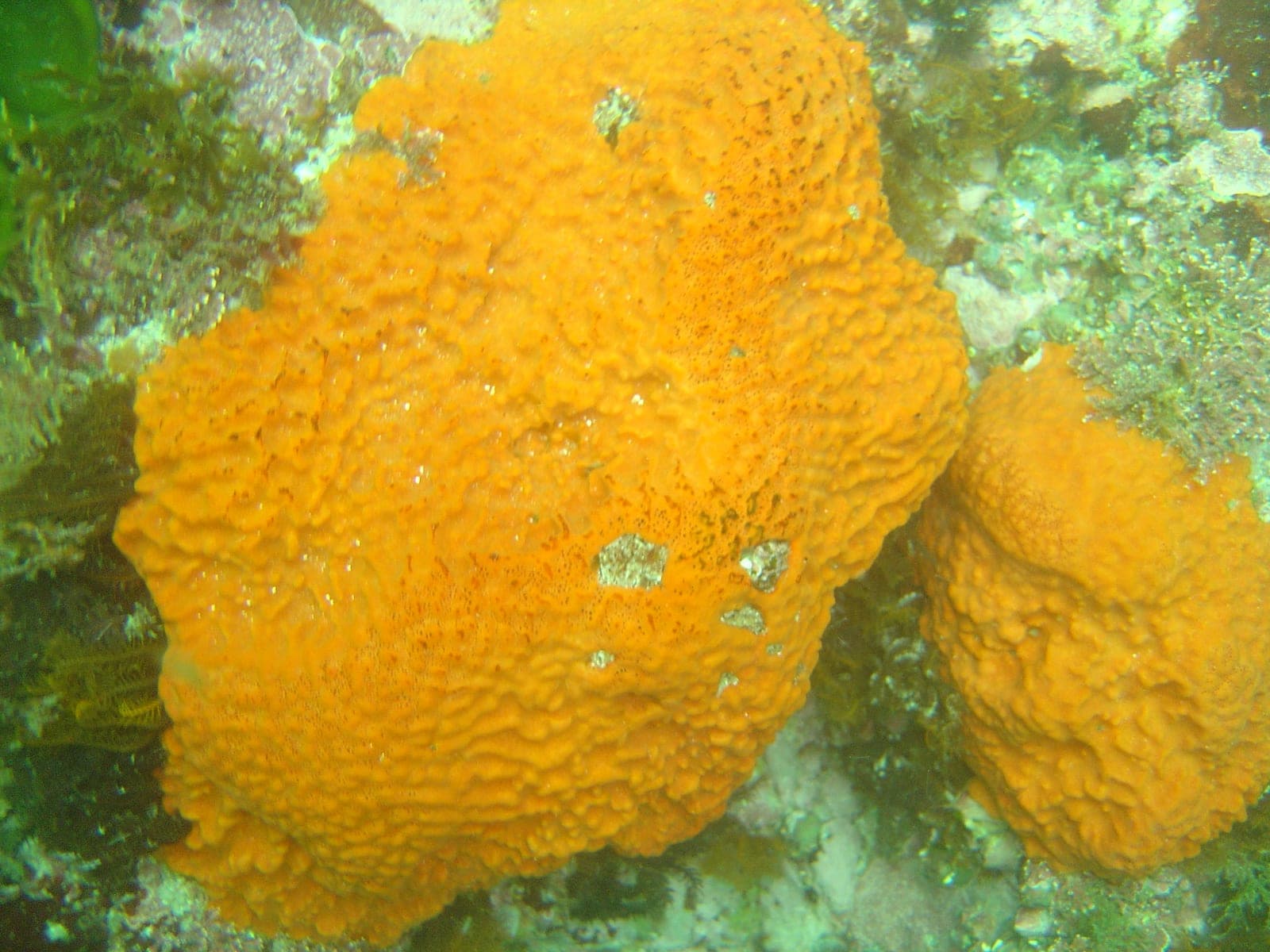
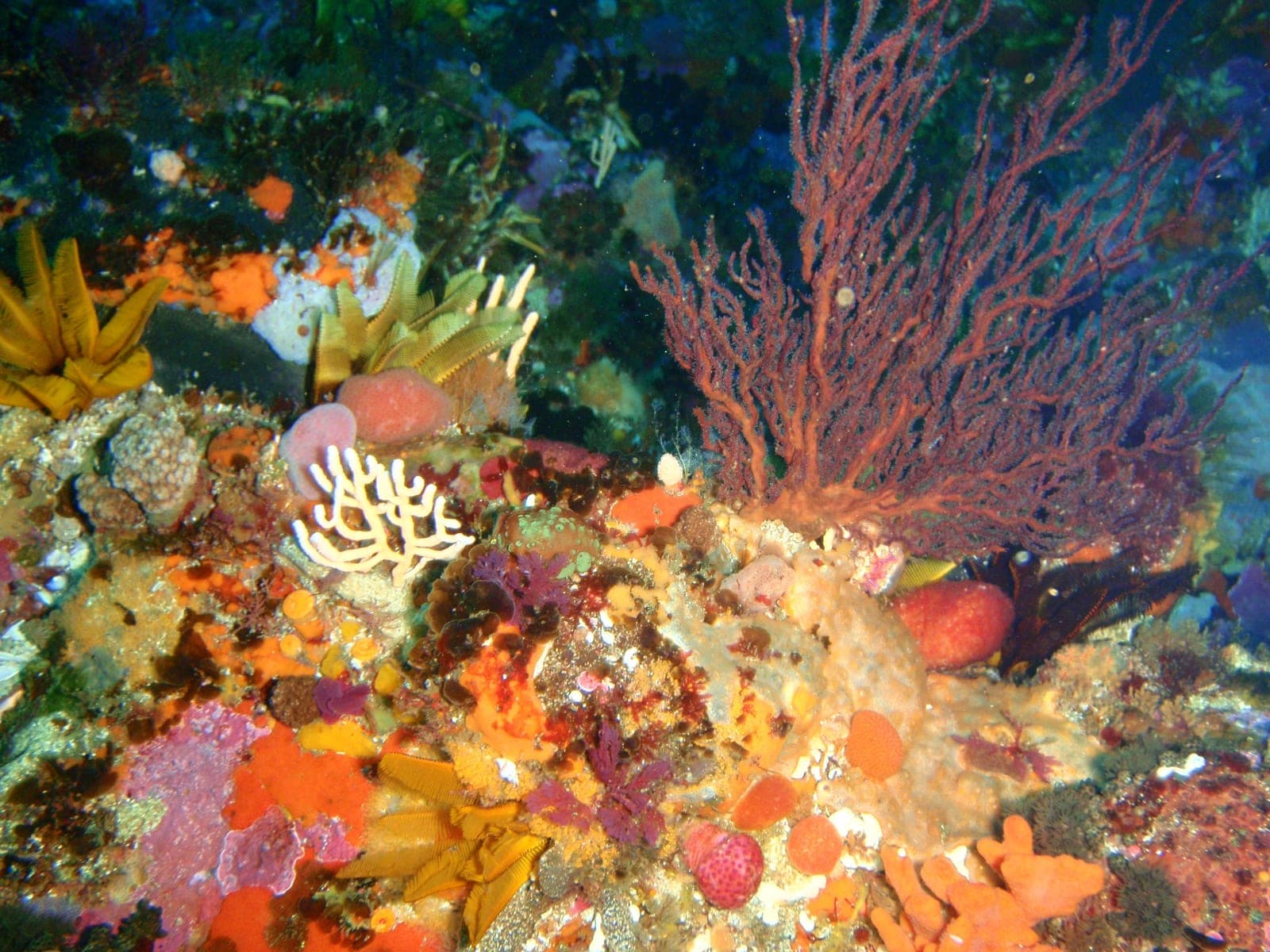
The wreck sits in a high-energy Cape marine environment where structure, kelp, reef life, and fish can be part of the experience. Conditions, visibility, and surge matter more than any promised sighting, so use marine-life expectations as a bonus rather than the reason to push a marginal day.
Best season and conditions
Choose the day, not just the season. Cape Point wreck diving depends heavily on swell, wind, current, boat access, visibility, and operator judgment. If forecasts or local reports disagree, treat the more conservative signal as the one to respect.
Hazards and diver readiness
Depth, offshore exposure, current, surge around reef structure, boat logistics, and historic-wreck respect are the main hazards. Divers should be comfortable with deeper recreational profiles and should not enter overhead areas without proper training.
Local tips
When searching for this site, include "Cape Point" or "South Africa" in your research. That avoids mixing planning details with the RMS Lusitania wreck near Ireland, which is a very different technical-diving objective.