Skip to content
Map of Lonestar
Add the first photo
IntermediateBoat entry

Lonestar

Texas, United States
AOW suggestedLow visibility is the main issue22 m (72 ft) depthBoat entry3mm wetsuit typical

Boat dive — see Entry & access.

Lonestar at a glance

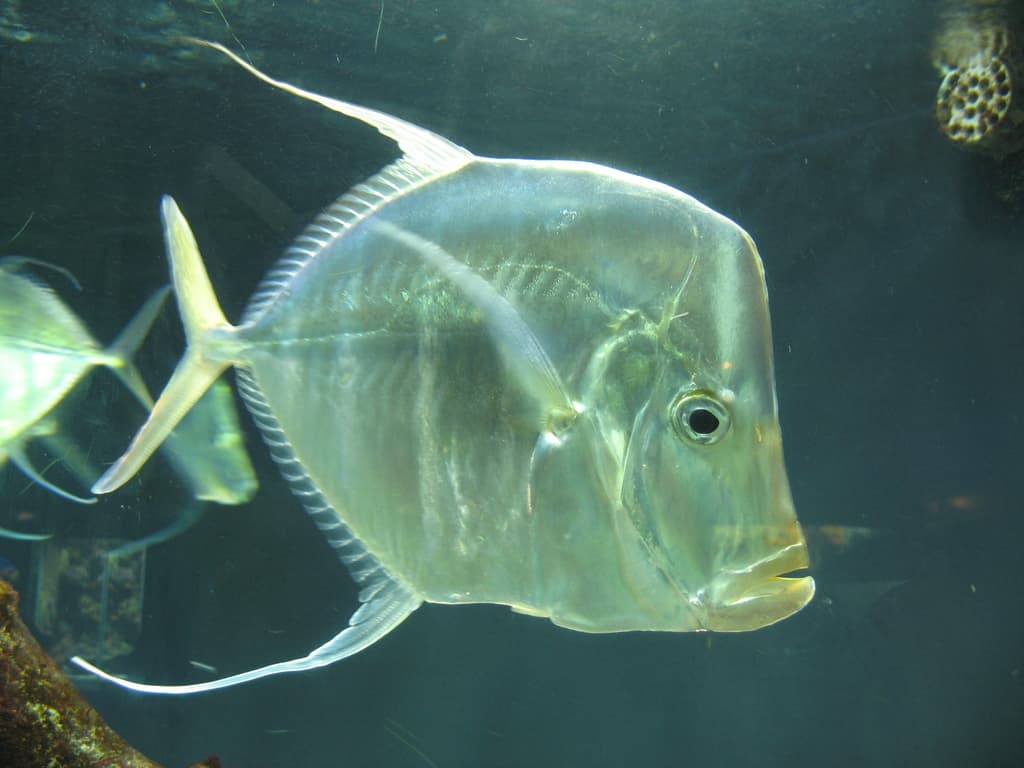
Lonestar is an intermediate boat dive site in Texas, United States with depths of up to 21.9 m (72 ft). Typically most favorable Aug · from 3 years of archive data. Divers commonly see Atlantic spadefish, Sheepshead, and Red snapper. Recent reports put the water around 26°C (79°F). Check the latest conditions and entry details before you go.

No window today· next: tomorrow 8:00–19:00 · favorable

Forecast for this hour · 22:00 · run 22 h ago
1.4 m (4.6 ft)waves — about a meter and a half expected (waves — about five feet expected)

Tap a factor for its source and model point · Forecast 26°C · seasonal avg 28°C ( · Forecast 79°F · seasonal avg 82°F)

Site hazards: Low visibility is the main issue

Read the full hazards ↓

Dive windows this week

SatNo window

1.1 m waves · 12 kn wind (3.5 ft waves · 12 kn wind)

Sun8:00–19:00 favorable

1.3 m waves · 12 kn wind (4.1 ft waves · 12 kn wind)

Mon8:00–19:00 favorable

1.0 m waves · 11 kn wind (3.3 ft waves · 11 kn wind)

Tue8:00–19:00 favorable

1.3 m waves · 11 kn wind (4.3 ft waves · 11 kn wind)

Wed8:00–19:00 favorable

0.9 m waves · 9 kn wind (3.0 ft waves · 9 kn wind)

Thu8:00–19:00 favorable

1.0 m waves · 14 kn wind (3.1 ft waves · 14 kn wind)

Fri8:00–19:00 favorable

0.9 m waves · 9 kn wind (2.9 ft waves · 9 kn wind)

Favorable windowModerate window— no window

Every forecast dive window each day, site-local time, from wave and wind forecasts. Numbers under each bar are daylight averages.

First light 7:09 · Sunrise 7:33 · Sunset 18:50 · some windows run past sunset

Source: Open-Meteo marine · model point 6.8 km from site · updated 24 Oct, 00:19 GMT-5

Forecast only — always assess conditions on site.

Compare this weekend’s windows near Lonestar

Forecast · NOAA tide model

Tide & slack timing

Loading tide predictions

Recent diver reports

Dated firsthand observations from divers — not current conditions.

No diver reports for this site yet. — one dated observation helps every diver after you.

Dived here today — did the forecast match?

What Divers Say

Known for: Atlantic spadefish, Sheepshead, Red snapper
Best time: April through October, the prime Texas dive season, when Gulf water is warmest (24-30 C) and visibility is at its seasonal best; calm-wind summer days give the best odds offshore.

Based on community reviews and site data. Conditions vary — always verify before diving.

Best months, historically

What conditions have historically been typical at this site, month by month — not a forecast.

  1. January, 34% of days have historically been favorable, water has typically been 17°C (62°F), waves have typically been 1.6 m (5.2 ft), wind has typically been 19 knots
  2. February, 53% of days have historically been favorable, water has typically been 17°C (63°F), waves have typically been 1.4 m (4.5 ft), wind has typically been 18 knots
  3. March, 47% of days have historically been favorable, water has typically been 19°C (67°F), waves have typically been 1.4 m (4.7 ft), wind has typically been 18 knots
  4. April, 42% of days have historically been favorable, water has typically been 23°C (73°F), waves have typically been 1.5 m (5.1 ft), wind has typically been 19 knots
  5. May, 51% of days have historically been favorable, water has typically been 26°C (79°F), waves have typically been 1.3 m (4.3 ft), wind has typically been 17 knots
  6. June, 61% of days have historically been favorable, water has typically been 29°C (84°F), waves have typically been 1.3 m (4.2 ft), wind has typically been 17 knots
  7. July, 90% of days have historically been favorable, water has typically been 29°C (84°F), waves have typically been 1.0 m (3.4 ft), wind has typically been 15 knots
  8. August, 95% of days have historically been favorable, water has typically been 30°C (86°F), waves have typically been 0.8 m (2.7 ft), wind has typically been 14 knots, historically most favorable
  9. September, 93% of days have historically been favorable, water has typically been 30°C (86°F), waves have typically been 0.9 m (3.1 ft), wind has typically been 15 knots
  10. October, 60% of days have historically been favorable, water has typically been 28°C (82°F), waves have typically been 1.3 m (4.2 ft), wind has typically been 16 knots
  11. November, 56% of days have historically been favorable, water has typically been 24°C (76°F), waves have typically been 1.4 m (4.6 ft), wind has typically been 17 knots
  12. December, 59% of days have historically been favorable, water has typically been 20°C (68°F), waves have typically been 1.3 m (4.4 ft), wind has typically been 17 knots

August has typically had the largest share of favorable days here. Conditions vary year to year — this is historical context, not a forecast.

Based on 3 years of archive data. Bar height shows the share of days each month whose conditions have historically scored favorably.

Marine life seen at this site

Species noted at this site — not a promise of what you’ll encounter.

Species seen here

Rough labels: “Commonly seen” usually means two or more recorded sightings near this site in public dive logs (GBIF), “Occasionally seen” one; “Seasonal” and “Rarely seen” come from dive-guide research. Not a measured rate.

Fills & rentals nearby

No dive shops mapped within 25 km (16 mi). Know one? Add it to the map.

Data updated June 2026

Site details

Lonestar Reef (MU-770L) sits about 10 nautical miles off Port Aransas in 72 ft (22 m) of water, where the Texas Parks & Wildlife artificial reef program placed three sunken barges; at 31 acres it is among the program's oldest and smallest sites. It serves mainly as a fishing reef rather than a dive destination, but the structure holds fish typical of Texas nearshore artificial reefs, including red snapper, sheepshead, and schooling Atlantic spadefish. Plan around Gulf conditions: nearshore water clarity is often poor, with the warmest water and best visibility from April through October. Boat access only.

reef

Low visibility is the main issue — TPWD notes diving on its nearshore reef sites may be limited by lack of water clarity. Open-Gulf exposure means current, chop, and weather-dependent conditions. Red snapper thrive on these reefs and the site is fished, so expect fishing boat traffic and possible monofilament/leader entanglement on the structures.


Reviews

No reviews yet — this site is waiting for its first. Dived here? Your rating and a few lines help the next diver.


Spot something off?

Help keep this listing accurate for the next diver.